

Repainting a room is one of the best methods of refreshing your room, which not only enhances the aesthetic appeal of the room but also can help you boost the value of your property. Whether you want to refresh the color, cover stains, or just give your living place a new appearance, the price is vital in terms of budgeting and planning. Many homeowners rely on construction estimating services to gain a clearer understanding of material quantities, labor costs, and overall budgeting before starting the project.
Depending on the size of the room, the kind of paint and the quality, the coats that will be used, and whether to employ a professional or a DIY method, the overall cost of repainting a room will depend on a number of factors. Other costs, such as the preparation of the wall, ceiling, and trims, also influence the costs. Knowing how the costs are divided and what aspects may affect the cost, the house owners can use paint estimating services to make the right choice and still attain a high-quality result without spending a lot.
Average Cost to Repaint a Room
a) DIY Painting
To paint a room, one would save money, although it takes time and competence, plus basic equipment.
- Average Cost: $100–$300 for a 12×12 foot room.
- Includes: Paint, primer, rollers, brush, painter\’s tape, drop cloths.
- Advantages: economic, flexibility, and schedule creativity.
- Cons: Laborious, possibility of error, biased coverage in case of non-experienced.
b) Professional Painting
Employing a professional, it will provide a quality and clean finish.
- Mean Price: 300-800 dollars for a typical 12×12 ft. room.
- Includes: Labor, paint, primer, and elementary wall preparation.
- Advantages: Expert finish, less stress, quicker finish.
- Disadvantages: More expensive than DIY.
Cost Breakdown by Room Size
| Room Size | DIY Cost Estimate | Professional Cost Estimate |
| Small (10×10 ft) | $80–$200 | $200–$500 |
| Medium (12×12 ft) | $100–$300 | $300–$800 |
| Large (15×15 ft) | $150–$500 | $500–$1,200 |
| Extra Large (20×20 ft) | $250–$700 | $700–$2,000 |
Factors Affecting the Cost of Repainting a Room
The overall cost of repainting is dependent on several important factors:
- Room Size: Bigger rooms will need more paint and work, and this will raise the price.
- Type of Paint: Better paints are more expensive but may have higher coverage and life span.
- Coats: This color transition can be dark to light and might require more coats, which raises labor and material expenses.
- Wall Condition: Cracks, holes, or textured surface might involve additional preparation and materials.
- Ceiling and Trim: It involves painting of the ceiling, baseboards, or molding, which will increase the cost of labor and materials.
- Labor: Professional painters will charge according to the size of the room, complexity, and rates on the ground.
- DIY vs Professional: DIY will save on labor, but can be more time-consuming and strenuous.
Paint Quality and Type
In selecting the proper kind of paint, the cost and durability of the finish are influenced:
- Standard Latex Paint: $20-35 per gallon; not very difficult to clean, not very strong smell.
- Premium Latex Paint: Costs $40-70 per gallon; has higher coverage, resists fading, and is durable.
- Oil-Based Paint: $30-60 a gallon; smooth finish; can be used on trim, more difficult to clean.
- Specialty Paints: specialty paints can include chalkboard, textured, or waterproof paints and cost $50-100 a gallon.
The amount of paint needed to cover two coats of a 12x 12 room is normally 2-3 gallons. High-quality paints will save on the number of coats to be applied, which may save on man-hours.
Wall Preparation Costs
Walls should also be prepared well to obtain a smooth and durable finish. The cost of preparation may depend on the state of the walls:
- Minor Repairs: Small holes or cracks filled in- $50-100.
- Major Repairs: Hard patching, sanding, or priming- $150-400.
- Popcorn or Textured Ceilings: Could need a special effect, would cost an addition of $100-300.
Failure to prepare can lead to unevenness of paint, peeling, and the paint job will have a short life span.
Additional Costs
- Ceiling Painting: $50-200 according to the size.
- Trim and Molding: $30 to $100 a room, more on complicated woodwork.
- Primer: The costs are between $15 and 40 per gallon, which is usually necessary in cases of dark-light transition of color.
- Wallpaper Stripping or Paint Removal: Based on the size of the room and the condition of the walls, this cost is between $50 and $300.
Labor Costs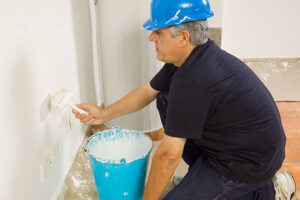
Professional painters charge either per hour or per room, as a rule:
- Hourly Rate: $25–$50 per painter.
- Flat Rate: $300- $800 per medium-sized room.
- Other Factors: Multiple trims, complex rooms with high ceilings, accent walls, and complex rooms make labor more expensive.
Up to 60-70% of professional pictures in painters can be attributed to labor.
Tips to Reduce Painting Costs
- DIY Small Jobs: Do some of your smaller jobs or touch-ups.
- Apply Quality Paint: Fewer coats will save time and labor.
- Paint during Off-season: Other contractors are providing discounts during months of low demand.
- Prep Properly: Eliminate the necessity of coating or corrections.
- Buy in Bulk: Bulk purchasing can lead to lower prices per gallon.
- Compare Quotes: Do not accept less than 3 professional estimates to get a competitive price.
How to Budget for a Room Paint Job
To budget accurately:
- Measure the walls and the ceiling to approximate the amount of paint required.
- Decide on the kind of paint and the number of coats.
- Evaluate wall status and preparation.
- Choose between self-service and professional.
- Budget in addition to 10 to 15% of unforeseen repairs or supplies.
In a medium room (12 x 12 ft), the reasonable cost is between 300 and 800 dollars to have professional painting or between 100 and 300 dollars for DIY.
Conclusion
One of the cheaper methods to give a room a new appearance and feel is to repaint it. The amount of money will be determined by the size of the room, the type of paint, the state of the wall, and whether a professional or self-employed. Cost and outcome can be influenced by preparing walls, using good paint, and other aspects, such as ceilings and trim. Home painting would also save on cost, but needs time and expertise, whereas professional painting would result in a smooth and permanent finish.
Knowing which factors affect the pricing and the budgeting, respectively, the homeowner will be able to come up with a beautiful, long-lasting paint application that will not only improve the comfort of the residence but also its selling value.
FAQs
How long does it take to repaint a room?
Depending on size, preparation, and coats, a regular room can be painted within a span of 1-3 days.
Does paint type affect cost significantly?
Yes, the high-quality paints are more expensive in the short run, but they could help save on the number of layers and deliver more long-term effects.
Can I save money by painting only the walls?
Yes, omissions of ceilings, trim, or accent items save money; however, they can have some minor effect on the overall finish and appearance.